Biography
Helen Shapiro: history and sound
Helen Shapiro: The Voice That Defined The 60s in The UK
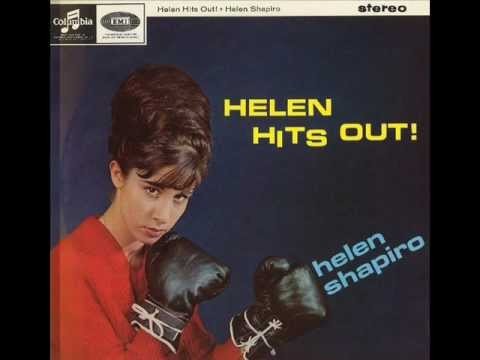
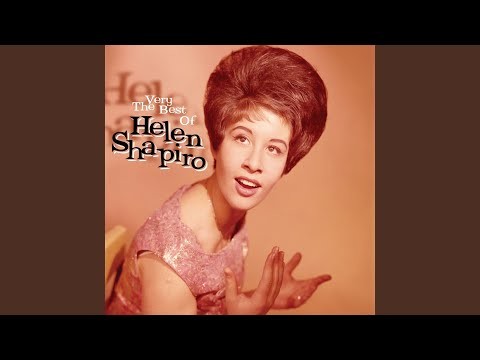
When we think about the 60s music scene in the UK, we often immediately think of Belinda, Dusty, or Petula, but one name that should never be left out of the conversation is Helen Shapiro. This legendary singer, born and raised in Bethnal Green, East London, had a voice that captivated audiences and brought fans flocking to see her live. From her teenage debut with hits like Don't Treat Me Like a Child to her memorable collaborations with The Beatles, let's dive into the fascinating music biography of Helen Shapiro.
Helen Shapiro rose to fame in the late 1950s after she was discovered by impresario and concert promoter Larry Parnes. As a teenager, Shapiro had an incredible voice, and she quickly became one of the most popular performing artists in the UK. In fact, at only 14 years old, she scored her first Top 10 hit with Don't Treat me Like a Child written by the legendary Joe Meek. This kickstarted her singing career and brought her international success throughout the early 60s.
Though she started as a Rock and Roll singer, Shapiro later turned to jazz and soul, which she also did excellently. Her deep, rich, and soulful voice captured the essence, as she sang classics like Fever, released in 1982. This wide range helped her stand out among contemporaries in the music industry and endeared her to audiences.
It's not surprising that two of her most successful performances were collaborations with the Beatles in 1963. They played to enormous, enthusiastic crowds that numbered over 10,000 people every night for two weeks straight at the age of 16, making her the youngest female artist to tour with them. Her natural talent was a match for even the biggest names in the music scene, notably the Beatles.
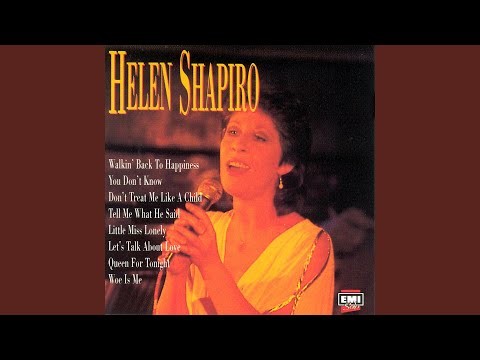
Some of Helen Shapiro's best songs that stand the test of time include Walking Back to Happiness, You Don't Know, and Tell Me What He Said. Many of her albums and singles also experimented with different genres such as blues and gospel. One of her albums, 'The Gospel Collection,' was a unique project that featured 21 distinct gospel tracks from Helen, showcasing her versatility as an artist.
A music critic once described Shapiro's voice as a 'musical Rosetta Stone,' meaning that it's a beautiful blend of rock and roll, jazz, and pop that transcends all cultural backgrounds. All of Shapiro's fans or casual listeners could understand and appreciate her voice and music's essence regardless of their music taste. She was a pioneer in her time, paving the way for future generations of UK musicians.
In conclusion, Helen Shapiro's musical legacy should be celebrated and remembered. She broke down walls and paved the foundation for many of the most significant names in music today, across genres. In the 60s, she was a musical superstar, and even though her popularity waned, her music still stands the test of time. Her unique voice and style continue to inspire other artists, and we can only hope that her influence will continue for many more generations.
When we think about the 60s music scene in the UK, we often immediately think of Belinda, Dusty, or Petula, but one name that should never be left out of the conversation is Helen Shapiro. This legendary singer, born and raised in Bethnal Green, East London, had a voice that captivated audiences and brought fans flocking to see her live. From her teenage debut with hits like Don't Treat Me Like a Child to her memorable collaborations with The Beatles, let's dive into the fascinating music biography of Helen Shapiro.
Helen Shapiro rose to fame in the late 1950s after she was discovered by impresario and concert promoter Larry Parnes. As a teenager, Shapiro had an incredible voice, and she quickly became one of the most popular performing artists in the UK. In fact, at only 14 years old, she scored her first Top 10 hit with Don't Treat me Like a Child written by the legendary Joe Meek. This kickstarted her singing career and brought her international success throughout the early 60s.
Though she started as a Rock and Roll singer, Shapiro later turned to jazz and soul, which she also did excellently. Her deep, rich, and soulful voice captured the essence, as she sang classics like Fever, released in 1982. This wide range helped her stand out among contemporaries in the music industry and endeared her to audiences.
It's not surprising that two of her most successful performances were collaborations with the Beatles in 1963. They played to enormous, enthusiastic crowds that numbered over 10,000 people every night for two weeks straight at the age of 16, making her the youngest female artist to tour with them. Her natural talent was a match for even the biggest names in the music scene, notably the Beatles.
Some of Helen Shapiro's best songs that stand the test of time include Walking Back to Happiness, You Don't Know, and Tell Me What He Said. Many of her albums and singles also experimented with different genres such as blues and gospel. One of her albums, 'The Gospel Collection,' was a unique project that featured 21 distinct gospel tracks from Helen, showcasing her versatility as an artist.
A music critic once described Shapiro's voice as a 'musical Rosetta Stone,' meaning that it's a beautiful blend of rock and roll, jazz, and pop that transcends all cultural backgrounds. All of Shapiro's fans or casual listeners could understand and appreciate her voice and music's essence regardless of their music taste. She was a pioneer in her time, paving the way for future generations of UK musicians.
In conclusion, Helen Shapiro's musical legacy should be celebrated and remembered. She broke down walls and paved the foundation for many of the most significant names in music today, across genres. In the 60s, she was a musical superstar, and even though her popularity waned, her music still stands the test of time. Her unique voice and style continue to inspire other artists, and we can only hope that her influence will continue for many more generations.