Biography
Dr. John: history and sound
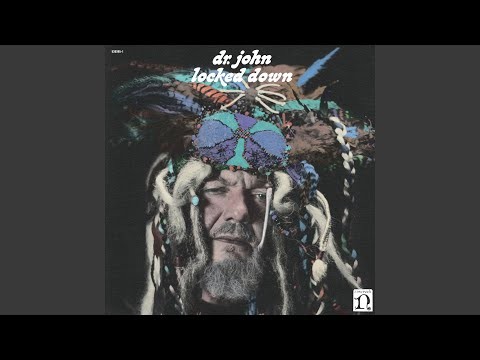
Dr. John was an esteemed artist, known for his stunning musical history and accomplishments. He created some of the best songs and albums of our time and will go down in music history as a multi-talented masterpiece. His work has inspired generations of artists, with his unique and soulful style being highly coveted amongst today's creatives. Accounted as a master composer, singer, lyricist and musician, Dr. John was one of the greatest to ever do it!
Discovering the Musical Genius of Dr. John
Musical legends come and go, but few have captured the hearts of listeners quite like Dr. John. From his unique sound to his deep history in the blues and jazz genres, Dr. John's musical journey is one for the ages. In this article, we'll take a closer look at his musical biography, his best songs, music genre, and famous concerts. This is a journey worth taking, so let's dive in!
Dr. John, also known as Mac Rebennack, was born on November 20, 1940, in New Orleans, Louisiana. Right from a young age, he was drawn to music, particularly the blues and jazz genres. As a teenager, he learned to play the piano and guitar, and by the time he was in his 20s, he was already a fixture in the local music scene. His unique sound drew people in, and it eventually led to him creating some of the most iconic music of the 20th century.
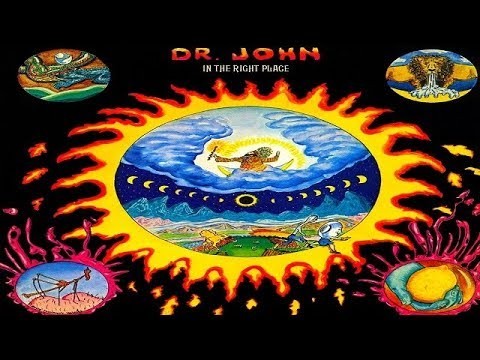
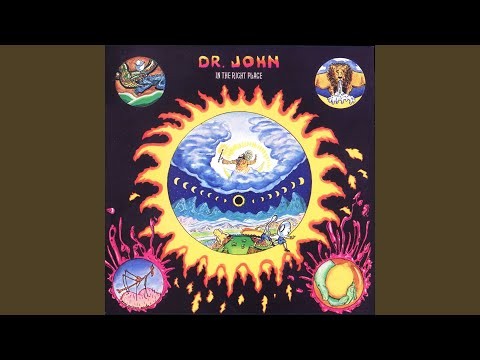
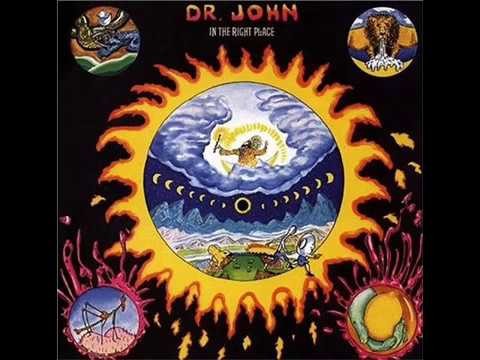
When it comes to Dr. John's best songs, it's hard to narrow it down to just a few. Some of his most memorable tracks include Right Place, Wrong Time, I Walk on Guilded Splinters, Such a Night, and Tipitina. Each of these songs showcases Dr. John's unique sound, blending blues, jazz, and rock influences. His gravelly voice and funky piano riffs make each track a must-listen for music lovers around the world.
Dr. John's music genre is best described as a fusion of blues, jazz, and rock, sometimes referred to as New Orleans music. His sound was heavily influenced by the music of his hometown, and he often incorporated elements of voodoo, Mardi Gras culture, and other local traditions into his music. This unique blend of styles and influences has secured his place in musical history, and his influence can still be felt in modern music today.
When it comes to Dr. John's famous concerts, one show stands out above the rest: the 1971 concert at the Fillmore East in New York City. This show was recorded and later released as the album The Last Waltz, and it featured Dr. John alongside other musical legends such as The Band, Bob Dylan, and Van Morrison. The energy of the crowd, combined with the incredible talent on stage, made this one of the most memorable concerts of all time.
In terms of a critic, it's hard to find anyone who has a negative word to say about Dr. John. He was universally loved by music fans and critics alike, and his contributions to the music world are immeasurable. He succeeded in bringing the sounds of his hometown to a global audience, and his influence can be heard in countless songs and artists that have come after him.
Dr. John was a musical genius, and his journey is one that all music lovers should take the time to explore. From his unique sound to his deep roots in the blues and jazz genres, there's something for everyone to love in his music. Whether you're a longtime fan or just discovering his work for the first time, taking the time to appreciate his contributions to the music world is well worth it. Let's continue to celebrate his legacy and keep his music alive for generations to come.
Discovering the Musical Genius of Dr. John
Musical legends come and go, but few have captured the hearts of listeners quite like Dr. John. From his unique sound to his deep history in the blues and jazz genres, Dr. John's musical journey is one for the ages. In this article, we'll take a closer look at his musical biography, his best songs, music genre, and famous concerts. This is a journey worth taking, so let's dive in!
Dr. John, also known as Mac Rebennack, was born on November 20, 1940, in New Orleans, Louisiana. Right from a young age, he was drawn to music, particularly the blues and jazz genres. As a teenager, he learned to play the piano and guitar, and by the time he was in his 20s, he was already a fixture in the local music scene. His unique sound drew people in, and it eventually led to him creating some of the most iconic music of the 20th century.
When it comes to Dr. John's best songs, it's hard to narrow it down to just a few. Some of his most memorable tracks include Right Place, Wrong Time, I Walk on Guilded Splinters, Such a Night, and Tipitina. Each of these songs showcases Dr. John's unique sound, blending blues, jazz, and rock influences. His gravelly voice and funky piano riffs make each track a must-listen for music lovers around the world.
Dr. John's music genre is best described as a fusion of blues, jazz, and rock, sometimes referred to as New Orleans music. His sound was heavily influenced by the music of his hometown, and he often incorporated elements of voodoo, Mardi Gras culture, and other local traditions into his music. This unique blend of styles and influences has secured his place in musical history, and his influence can still be felt in modern music today.
When it comes to Dr. John's famous concerts, one show stands out above the rest: the 1971 concert at the Fillmore East in New York City. This show was recorded and later released as the album The Last Waltz, and it featured Dr. John alongside other musical legends such as The Band, Bob Dylan, and Van Morrison. The energy of the crowd, combined with the incredible talent on stage, made this one of the most memorable concerts of all time.
In terms of a critic, it's hard to find anyone who has a negative word to say about Dr. John. He was universally loved by music fans and critics alike, and his contributions to the music world are immeasurable. He succeeded in bringing the sounds of his hometown to a global audience, and his influence can be heard in countless songs and artists that have come after him.
Dr. John was a musical genius, and his journey is one that all music lovers should take the time to explore. From his unique sound to his deep roots in the blues and jazz genres, there's something for everyone to love in his music. Whether you're a longtime fan or just discovering his work for the first time, taking the time to appreciate his contributions to the music world is well worth it. Let's continue to celebrate his legacy and keep his music alive for generations to come.