Biography
Death in June: history and sound
Death in June are a neofolk group led by English folk musician Douglas Pearce, better known as Douglas P.
Death in June: The Transgressive Musician Reviving Neofolk
Death in June may sound like a macabre or intimidating name for a musical artist, but its sound is just as thought-provoking as its name. Formed in 1981 in London, Death in June is the solo project of Douglas Pearce, who displays a unique ability to blend various genres such as neofolk, post-punk, and industrial rock. With over five dozen albums and EPs released to date, Death in June continues to be a stalwart of transgressive music. In this blog post, we'll delve into its musical biography, best songs, music genre, famous concerts, and critical reception.
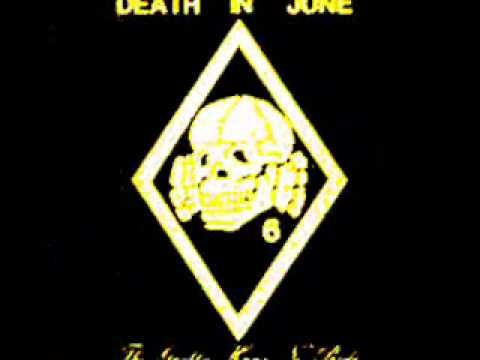
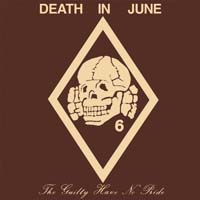
Douglas Pearce, the artist behind Death in June, began his musical career as a member of the punk band Crisis, which released its debut album Hymns of Faith in 1980. However, after feeling disillusioned with punk as a genre, Pearce decided to form his own musical project, and in 1981 he released his debut album, The Guilty Have No Pride. The scathing critique on fascism and nationalism was already present in his lyrics and continued to be a common theme throughout his career. Pearce often used Roland synthesizers and acoustic guitars to set the beat for his haunting and often unsettling songs.
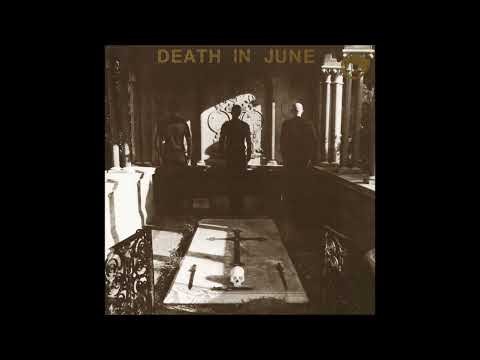
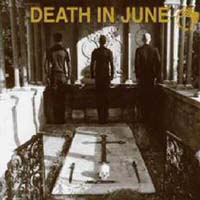
One of the most celebrated Death in June releases is their 1985 album Nada! which has been regarded as a classic of the neofolk genre. This album features a minimalist sound and combines Pearce's poetry with soundscapes and various samples. Tracks such as Nothing Changes and Death of the West showcase Death in June's ability to blend different styles, such as folk, industrial, and post-rock.
Apart from Nada!, other notable Death in June releases include But, What Ends When the Symbols Shatter? (1992) and The World That Summer (1986). These works are introspective and reflective, often discussing the traumas of war, personal loss, and the human condition. Pearce's vocals, which usually sound mournful, add to the overall haunting feel of the music.
Death in June is considered one of the pioneers of the neofolk genre. It has a distinct sound that mixes elements of folk, classical, and industrial sounds with dark and often melancholic lyrics. The artists that have been influenced by Death in June include David Tibet of Current 93 and Neo-Nazi music artist Michael Moynihan. However, Death in June has increasingly distanced itself from fascist and white supremacist elements, whose symbols have been absent from Death in June artworks.
Critics have had varying opinions on Death in June. Some, such as music journalist Ned Raggett, praise the band's music for its remarkable mood and sheer power. Others have criticized the band's fascination with fascist imagery or an alleged Nazi association. Despite these criticisms, Death in June still has a loyal fanbase and continues to tour, albeit less frequently than in its earlier years.
One of Death in June's most famous concerts was its appearance at the prestigious German Wave-Gotik-Treffen festival in 1999, where Pearce played alongside fellow neofolk musician Tony Wakeford of Sol Invictus, Robert Ferbrache of Blood Axis, and German musician Andreas Ritter of Werkraum. The concert sparked controversy due to accusations that some of the musicians on stage had far-right leanings, leading to multiple cancellations of subsequent Death in June concerts in Germany.
Death in June's music may not be for everyone, but its contribution to the neofolk genre is undeniable. Douglas Pearce's music is both haunting and evocative, and his lyrics offer intriguing social commentary. While some have raised criticisms of Death in June's use of fascist symbols, the band's focus on anti-fascist lyrics has led to a shift away from some of the more extreme iconography. Many of the band's recordings and notable performances, such as at the Wave-Gotik-Treffen festival, demonstrate the enduring quality and significance of Death in June's music over several decades.
Death in June: The Transgressive Musician Reviving Neofolk
Death in June may sound like a macabre or intimidating name for a musical artist, but its sound is just as thought-provoking as its name. Formed in 1981 in London, Death in June is the solo project of Douglas Pearce, who displays a unique ability to blend various genres such as neofolk, post-punk, and industrial rock. With over five dozen albums and EPs released to date, Death in June continues to be a stalwart of transgressive music. In this blog post, we'll delve into its musical biography, best songs, music genre, famous concerts, and critical reception.
Douglas Pearce, the artist behind Death in June, began his musical career as a member of the punk band Crisis, which released its debut album Hymns of Faith in 1980. However, after feeling disillusioned with punk as a genre, Pearce decided to form his own musical project, and in 1981 he released his debut album, The Guilty Have No Pride. The scathing critique on fascism and nationalism was already present in his lyrics and continued to be a common theme throughout his career. Pearce often used Roland synthesizers and acoustic guitars to set the beat for his haunting and often unsettling songs.
One of the most celebrated Death in June releases is their 1985 album Nada! which has been regarded as a classic of the neofolk genre. This album features a minimalist sound and combines Pearce's poetry with soundscapes and various samples. Tracks such as Nothing Changes and Death of the West showcase Death in June's ability to blend different styles, such as folk, industrial, and post-rock.
Apart from Nada!, other notable Death in June releases include But, What Ends When the Symbols Shatter? (1992) and The World That Summer (1986). These works are introspective and reflective, often discussing the traumas of war, personal loss, and the human condition. Pearce's vocals, which usually sound mournful, add to the overall haunting feel of the music.
Death in June is considered one of the pioneers of the neofolk genre. It has a distinct sound that mixes elements of folk, classical, and industrial sounds with dark and often melancholic lyrics. The artists that have been influenced by Death in June include David Tibet of Current 93 and Neo-Nazi music artist Michael Moynihan. However, Death in June has increasingly distanced itself from fascist and white supremacist elements, whose symbols have been absent from Death in June artworks.
Critics have had varying opinions on Death in June. Some, such as music journalist Ned Raggett, praise the band's music for its remarkable mood and sheer power. Others have criticized the band's fascination with fascist imagery or an alleged Nazi association. Despite these criticisms, Death in June still has a loyal fanbase and continues to tour, albeit less frequently than in its earlier years.
One of Death in June's most famous concerts was its appearance at the prestigious German Wave-Gotik-Treffen festival in 1999, where Pearce played alongside fellow neofolk musician Tony Wakeford of Sol Invictus, Robert Ferbrache of Blood Axis, and German musician Andreas Ritter of Werkraum. The concert sparked controversy due to accusations that some of the musicians on stage had far-right leanings, leading to multiple cancellations of subsequent Death in June concerts in Germany.
Death in June's music may not be for everyone, but its contribution to the neofolk genre is undeniable. Douglas Pearce's music is both haunting and evocative, and his lyrics offer intriguing social commentary. While some have raised criticisms of Death in June's use of fascist symbols, the band's focus on anti-fascist lyrics has led to a shift away from some of the more extreme iconography. Many of the band's recordings and notable performances, such as at the Wave-Gotik-Treffen festival, demonstrate the enduring quality and significance of Death in June's music over several decades.