Biography
Cripple Clarence Lofton: history and sound
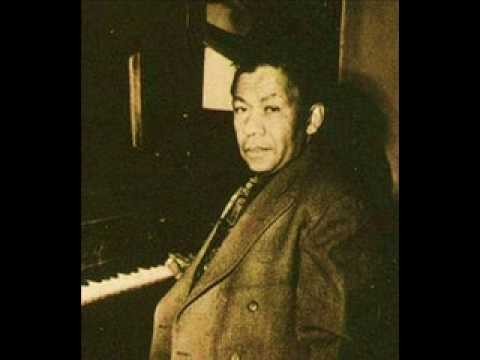
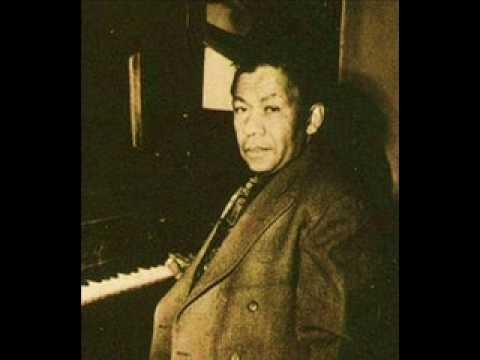
Cripple Clarence Lofton (March 28, 1887 - January 9, 1957), born Albert Clemens in Kingsport, Tennessee, was a noted boogie-woogie pianist and singer.
The Life and Music of Cripple Clarence Lofton: A Blues Legend
Cripple Clarence Lofton might not be a household name, but he was definitely a legend in the blues genre. Born in 1887 in Kingsport, Tennessee, Clarence Lofton was a self-taught pianist who developed his unique style of blues music that earned him fans across the United States and Europe. Famous musicians like Count Basie and Nat King Cole were inspired by his music. In this article, we’ll take a closer look at the life and music of Cripple Clarence Lofton.
Cripple Clarence Lofton was a versatile musician who played multiple instruments, but he was known for his incredible piano playing. Lofton developed his piano style by combining traditional barrelhouse blues with a boogie-woogie sound, which involved a steady left-hand rhythm and a right hand that played fast, complex melodies. His signature sound came from his use of triplets and sophisticated chord progressions, all delivered with a distinctive, percussive touch.
Lofton recorded for various labels throughout his career, but some of his most notable recordings are with his backing band, the Sunnyland Trio, which included Alfred Elkins on guitar and Jimmie Lee Morris on drums. One of their most famous songs is I Don't Know, a blues standard that became popular in the 1940s. Lofton's music was so influential that it's been covered by artists like Ray Charles, Otis Spann, and Pinetop Perkins.
Lofton was also a gifted songwriter, and his compositions focused on topics like love, gambling, and the struggles of African Americans in the early 20th century. His songs were often playful, and he used humor to lighten the mood in some of his pieces. Some of his other notable songs include Strut That Thing, Boogie Woogie Prayer, and Streamline Train.
Cripple Clarence Lofton was an integral part of the Chicago blues scene of the 1930s and 1940s. He played in several clubs in the city, including the Bluebird Club, the Plantation Club, and Smitty's Corner. He was a frequent performer on the popular WGN radio station in Chicago, and he hosted a radio show called The Cripple Clarence Lofton Trio.
In terms of concerts, one of Lofton's most memorable performances was at the 1960 Newport Jazz Festival. This performance was significant because it brought attention to the blues genre, which was not as well-known at the time. His style and sound influenced many of the blues musicians who followed him, and his music continues to be celebrated today.
Critic Nat Hentoff once said of Cripple Clarence Lofton, He had a unique style, a very percussive style of piano playing that cut through all of the other instruments. He was very much a piano player's piano player. You didn't just listen to his music; you felt it. His music has resonated with many music fans over the years, and his enduring legacy is a testament to his talent and dedication to the blues genre.
Cripple Clarence Lofton may not be as well-known today, but his influence on the blues genre cannot be overstated. Lofton was a gifted musician who blended traditional blues styles with boogie-woogie to create a sound that was uniquely his own. His music has been celebrated for decades, and his contributions to the blues genre continue to inspire musicians today. If you're a fan of the blues, take a moment to explore Cripple Clarence Lofton's music. You won't be disappointed.
The Life and Music of Cripple Clarence Lofton: A Blues Legend
Cripple Clarence Lofton might not be a household name, but he was definitely a legend in the blues genre. Born in 1887 in Kingsport, Tennessee, Clarence Lofton was a self-taught pianist who developed his unique style of blues music that earned him fans across the United States and Europe. Famous musicians like Count Basie and Nat King Cole were inspired by his music. In this article, we’ll take a closer look at the life and music of Cripple Clarence Lofton.
Cripple Clarence Lofton was a versatile musician who played multiple instruments, but he was known for his incredible piano playing. Lofton developed his piano style by combining traditional barrelhouse blues with a boogie-woogie sound, which involved a steady left-hand rhythm and a right hand that played fast, complex melodies. His signature sound came from his use of triplets and sophisticated chord progressions, all delivered with a distinctive, percussive touch.
Lofton recorded for various labels throughout his career, but some of his most notable recordings are with his backing band, the Sunnyland Trio, which included Alfred Elkins on guitar and Jimmie Lee Morris on drums. One of their most famous songs is I Don't Know, a blues standard that became popular in the 1940s. Lofton's music was so influential that it's been covered by artists like Ray Charles, Otis Spann, and Pinetop Perkins.
Lofton was also a gifted songwriter, and his compositions focused on topics like love, gambling, and the struggles of African Americans in the early 20th century. His songs were often playful, and he used humor to lighten the mood in some of his pieces. Some of his other notable songs include Strut That Thing, Boogie Woogie Prayer, and Streamline Train.
Cripple Clarence Lofton was an integral part of the Chicago blues scene of the 1930s and 1940s. He played in several clubs in the city, including the Bluebird Club, the Plantation Club, and Smitty's Corner. He was a frequent performer on the popular WGN radio station in Chicago, and he hosted a radio show called The Cripple Clarence Lofton Trio.
In terms of concerts, one of Lofton's most memorable performances was at the 1960 Newport Jazz Festival. This performance was significant because it brought attention to the blues genre, which was not as well-known at the time. His style and sound influenced many of the blues musicians who followed him, and his music continues to be celebrated today.
Critic Nat Hentoff once said of Cripple Clarence Lofton, He had a unique style, a very percussive style of piano playing that cut through all of the other instruments. He was very much a piano player's piano player. You didn't just listen to his music; you felt it. His music has resonated with many music fans over the years, and his enduring legacy is a testament to his talent and dedication to the blues genre.
Cripple Clarence Lofton may not be as well-known today, but his influence on the blues genre cannot be overstated. Lofton was a gifted musician who blended traditional blues styles with boogie-woogie to create a sound that was uniquely his own. His music has been celebrated for decades, and his contributions to the blues genre continue to inspire musicians today. If you're a fan of the blues, take a moment to explore Cripple Clarence Lofton's music. You won't be disappointed.