Biography
Clock DVA: history and sound
Clock DVA are an industrial, post-punk and EBM group from Sheffield, England. The group was formed in 1978 by Adolphus Adi Newton and Steven Judd Turner.
Clock DVA: The Pioneers of Electronic Music
Electronic music is a genre that encompasses a wide range of styles and sounds, but one band that helped shape and define the sound we know today is Clock DVA. Formed in the late 1970s in Sheffield, England, Clock DVA (short for Clockwork Death Vibration Amplifier) began as a post-punk outfit, but their fascination with technology and experimentation soon led them down a path that would make them pioneers of electronic music. In this article, we'll take a closer look at their musical biography, explore their best songs, delve into their music genre, and review some of their famous concerts and critical acclaim.
Clock DVA's sound evolved drastically over the years, starting with a raw, guitar-driven punk rock sound on their early releases like Thirst and White Souls in Black Suits. However, they quickly found that the sounds they could make with early synthesizers and computers were far more exciting. This led to albums like Thirst and Man-Amplified, which showcased a mix of industrial and electronic sounds. Their music often had a dystopian, Orwellian edge to it, commenting on the darker aspects of modern society.
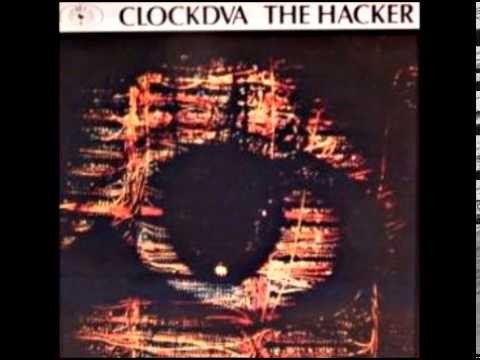
One of Clock DVA's most famous tracks is The Hacker, a tense, paranoid instrumental that sounds like it was created by a rogue AI. The track features ominous synths and percussion that sound like machine gun fire, building to an intense climax that will leave your heart racing. Clock DVA were also known for their live shows, which were often performed in total darkness with strobe lights and projections creating an otherworldly atmosphere. These performances paved the way for rave culture, as well as bands like Nine Inch Nails and Ministry.
Clock DVA's music genre could be broadly defined as electronic, but it's difficult to pin them down to any one subgenre. They dabbled in everything from industrial to ambient to techno, often combining multiple styles on the same album. This made them a hugely influential band, as many future electronic acts would draw inspiration from their eclectic sound. Clock DVA's importance also lies in their embracing of technology, both in their music and their live shows. They were one of the first bands to incorporate computers into their music-making process, paving the way for the widespread use of digital tools in music production.
One of their most memorable concerts was at the Hacienda Club in Manchester, where they created an immersive experience by projecting video onto the walls and ceiling while performing in the middle of the crowd. Clock DVA's use of visuals and multimedia enhanced their music, creating a fully immersive experience that was ahead of its time.
If there's one thing that critics agree on, it's that Clock DVA were ahead of their time. The band's music was often misunderstood and overlooked by the mainstream, but their influence can be heard in the work of countless artists today. The Guardian once called them one of the most underrated bands of the 1980s, and it's easy to see why. Clock DVA's music was challenging and innovative, and it paved the way for a new generation of electronic artists.
Clock DVA may not have achieved mainstream success or household name status, but their music continues to inspire and influence new generations of electronic artists. Their pioneering use of technology, their multimedia approach to live performance, and their boundary-pushing sound make them an essential part of the electronic music canon. If you're a fan of electronic music, and you haven't yet delved into the world of Clock DVA, now is the perfect time to do so. Their music remains as challenging and thrilling today as it did when it was first released, and their legacy is secure as one of the key innovators in the genre's history.
Clock DVA may not have achieved mainstream success or household name status, but their music continues to inspire and influence new generations of electronic artists. Their pioneering use of technology, their multimedia approach to live performance, and their boundary-pushing sound make them an essential part of the electronic music canon. If you're a fan of electronic music, and you haven't yet delved into the world of Clock DVA, now is the perfect time to do so. Their music remains as challenging and thrilling today as it did when it was first released, and their legacy is secure as one of the key innovators in the genre's history.
Clock DVA: The Pioneers of Electronic Music
Electronic music is a genre that encompasses a wide range of styles and sounds, but one band that helped shape and define the sound we know today is Clock DVA. Formed in the late 1970s in Sheffield, England, Clock DVA (short for Clockwork Death Vibration Amplifier) began as a post-punk outfit, but their fascination with technology and experimentation soon led them down a path that would make them pioneers of electronic music. In this article, we'll take a closer look at their musical biography, explore their best songs, delve into their music genre, and review some of their famous concerts and critical acclaim.
Clock DVA's sound evolved drastically over the years, starting with a raw, guitar-driven punk rock sound on their early releases like Thirst and White Souls in Black Suits. However, they quickly found that the sounds they could make with early synthesizers and computers were far more exciting. This led to albums like Thirst and Man-Amplified, which showcased a mix of industrial and electronic sounds. Their music often had a dystopian, Orwellian edge to it, commenting on the darker aspects of modern society.
One of Clock DVA's most famous tracks is The Hacker, a tense, paranoid instrumental that sounds like it was created by a rogue AI. The track features ominous synths and percussion that sound like machine gun fire, building to an intense climax that will leave your heart racing. Clock DVA were also known for their live shows, which were often performed in total darkness with strobe lights and projections creating an otherworldly atmosphere. These performances paved the way for rave culture, as well as bands like Nine Inch Nails and Ministry.
Clock DVA's music genre could be broadly defined as electronic, but it's difficult to pin them down to any one subgenre. They dabbled in everything from industrial to ambient to techno, often combining multiple styles on the same album. This made them a hugely influential band, as many future electronic acts would draw inspiration from their eclectic sound. Clock DVA's importance also lies in their embracing of technology, both in their music and their live shows. They were one of the first bands to incorporate computers into their music-making process, paving the way for the widespread use of digital tools in music production.
One of their most memorable concerts was at the Hacienda Club in Manchester, where they created an immersive experience by projecting video onto the walls and ceiling while performing in the middle of the crowd. Clock DVA's use of visuals and multimedia enhanced their music, creating a fully immersive experience that was ahead of its time.
If there's one thing that critics agree on, it's that Clock DVA were ahead of their time. The band's music was often misunderstood and overlooked by the mainstream, but their influence can be heard in the work of countless artists today. The Guardian once called them one of the most underrated bands of the 1980s, and it's easy to see why. Clock DVA's music was challenging and innovative, and it paved the way for a new generation of electronic artists.
Clock DVA may not have achieved mainstream success or household name status, but their music continues to inspire and influence new generations of electronic artists. Their pioneering use of technology, their multimedia approach to live performance, and their boundary-pushing sound make them an essential part of the electronic music canon. If you're a fan of electronic music, and you haven't yet delved into the world of Clock DVA, now is the perfect time to do so. Their music remains as challenging and thrilling today as it did when it was first released, and their legacy is secure as one of the key innovators in the genre's history.
Clock DVA may not have achieved mainstream success or household name status, but their music continues to inspire and influence new generations of electronic artists. Their pioneering use of technology, their multimedia approach to live performance, and their boundary-pushing sound make them an essential part of the electronic music canon. If you're a fan of electronic music, and you haven't yet delved into the world of Clock DVA, now is the perfect time to do so. Their music remains as challenging and thrilling today as it did when it was first released, and their legacy is secure as one of the key innovators in the genre's history.