Biography
Carl Douglas: history and sound
Carlton George Douglas (born 10 May 1942), also known by his stage name Carl Douglas, is a Jamaican recording artist.
Remembering Carl Douglas: The Musical Legend Who Brought Disco to Our Ears
In the world of music, there are only a few artists that have the power to make an impact that will last beyond their generation. One of them is Carl Douglas. Carl Douglas was a musical legend who became famous in the 1970s when he released the iconic disco hit, Kung Fu Fighting. The song became an international sensation and made him a household name. However, there's more to Carl Douglas than just one song. In this article, we'll take a closer look at his musical biography, best songs, music genre, famous concerts, and what music critics have to say about his work.
Carl's musical journey started in Jamaica where he was born in 1942. He grew up in the era of ska and rocksteady music, but it wasn't until he moved to the UK in the 1960s that he started making music seriously. He was discovered by Biddu Appaiah, who later produced Kung Fu Fighting. The success of the song propelled Carl to stardom. He was the first Jamaican artist to achieve a No.1 hit in the UK and US charts.
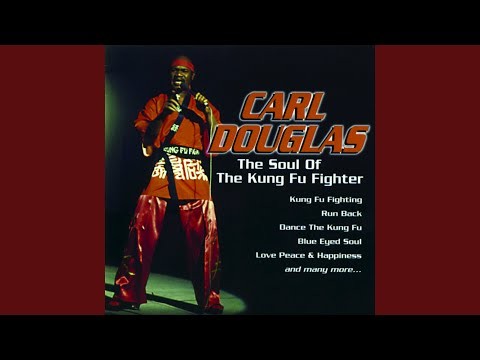
Aside from Kung Fu Fighting, Carl also had other hits that are worth mentioning. One of them is Dance The Kung Fu, a song that was released a year after his first hit. It wasn't as successful as Kung Fu Fighting, but it still managed to make an impact in the dance music scene. Another song that was popular during the peak of his career is Run Back. The song showcases his versatility as a musician, with a groovy melody that's perfect for dancing.
Carl Douglas was known for his disco music, which was influenced by funk, soul, and R&B. His songs were upbeat, with catchy lyrics and a danceable rhythm that would make anyone want to move. He played a significant role in shaping the disco music scene in the 1970s, making him one of the most influential artists of his time.
One of the most memorable concerts that Carl Douglas had was during his tour in Asia in the 1970s. He performed in Japan, Korea, and other countries where he was welcomed by thousands of fans. The concert was a unique experience for everyone who attended, with Carl's energetic performance and the crowd's enthusiasm creating a euphoric atmosphere that's hard to forget.
In terms of critics, Carl Douglas received mixed reviews. Some praised his work, calling him the disco king and a pioneer in the genre. Others criticized his music, saying that it lacks depth and substance. However, one thing that everyone can agree on is that Carl Douglas was a talented musician who left a mark in the industry.
Carl Douglas was more than just a disco artist; he was a musical legend who brought joy and happiness to many people around the world. His music will forever be remembered, and his influence in the disco scene will never be forgotten. Kung Fu Fighting may have been his most famous song, but his other creations are also worth exploring. Carl Douglas will always be an important figure in music, and his legacy will continue to inspire generations to come.
Remembering Carl Douglas: The Musical Legend Who Brought Disco to Our Ears
In the world of music, there are only a few artists that have the power to make an impact that will last beyond their generation. One of them is Carl Douglas. Carl Douglas was a musical legend who became famous in the 1970s when he released the iconic disco hit, Kung Fu Fighting. The song became an international sensation and made him a household name. However, there's more to Carl Douglas than just one song. In this article, we'll take a closer look at his musical biography, best songs, music genre, famous concerts, and what music critics have to say about his work.
Carl's musical journey started in Jamaica where he was born in 1942. He grew up in the era of ska and rocksteady music, but it wasn't until he moved to the UK in the 1960s that he started making music seriously. He was discovered by Biddu Appaiah, who later produced Kung Fu Fighting. The success of the song propelled Carl to stardom. He was the first Jamaican artist to achieve a No.1 hit in the UK and US charts.
Aside from Kung Fu Fighting, Carl also had other hits that are worth mentioning. One of them is Dance The Kung Fu, a song that was released a year after his first hit. It wasn't as successful as Kung Fu Fighting, but it still managed to make an impact in the dance music scene. Another song that was popular during the peak of his career is Run Back. The song showcases his versatility as a musician, with a groovy melody that's perfect for dancing.
Carl Douglas was known for his disco music, which was influenced by funk, soul, and R&B. His songs were upbeat, with catchy lyrics and a danceable rhythm that would make anyone want to move. He played a significant role in shaping the disco music scene in the 1970s, making him one of the most influential artists of his time.
One of the most memorable concerts that Carl Douglas had was during his tour in Asia in the 1970s. He performed in Japan, Korea, and other countries where he was welcomed by thousands of fans. The concert was a unique experience for everyone who attended, with Carl's energetic performance and the crowd's enthusiasm creating a euphoric atmosphere that's hard to forget.
In terms of critics, Carl Douglas received mixed reviews. Some praised his work, calling him the disco king and a pioneer in the genre. Others criticized his music, saying that it lacks depth and substance. However, one thing that everyone can agree on is that Carl Douglas was a talented musician who left a mark in the industry.
Carl Douglas was more than just a disco artist; he was a musical legend who brought joy and happiness to many people around the world. His music will forever be remembered, and his influence in the disco scene will never be forgotten. Kung Fu Fighting may have been his most famous song, but his other creations are also worth exploring. Carl Douglas will always be an important figure in music, and his legacy will continue to inspire generations to come.