Biography
Calle 13: history and sound
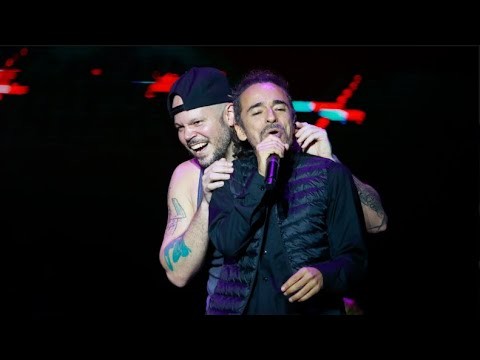
Calle 13 is a Puerto Rican band formed by stepbrothers René Pérez Joglar (born February 23, 1978 in Hato Rey) who calls himself Residente (lead singer, songwriter) and Eduardo José Cabra Martínez (born September 10, 1978 in Santurce), who calls himself Visitante (multi-instrumentalist, vocalist, beat producer) and their half-sister Ileana Cabra Joglar aka PG-13 (backing vocals).
Calle 13: The Revolutionary Puerto Rican Band
Puerto Rican band Calle 13 revolutionized Latin rap music in the early 2000s. The band's unique style infused reggaeton, hip-hop, and Latin American rhythms with socially conscious lyrics that tackled political and social issues. Calle 13's music became a voice for the voiceless and a platform for marginalized communities. In this blog post, we will delve into Calle 13's musical biography, best songs, music genre, famous concerts, and critical acclaim.
Calle 13 was formed in 2004 by step-brothers René Pérez Joglar (Residente) and Eduardo José Cabra Martínez (Visitante). The band's name was inspired by a street near their childhood home in San Juan, Puerto Rico. The duo released its debut album, Calle 13, in 2005, which earned them three Latin Grammy Awards. It wasn't until their third album, Los de Atrás Vienen Conmigo (2008), that Calle 13 broke through to mainstream success with hits like No Hay Nadie Como Tú and La Perla. The album cemented Calle 13's status as a socially conscious band that challenges power structures through music.
Calle 13 defies categorization when it comes to musical genres. They draw inspiration from hip-hop, reggaeton, jazz, salsa, rock, and traditional Latin American rhythms. Their music defies conventions, incorporating folk instrumentation like the cuatro and the quena alongside electronic beats. Calle 13's music also features collaborations with artists from various musical genres, including Latin American legends like Rubén Blades and Café Tacvba.
Calle 13's best songs are a reflection of their revolutionary spirit. Latinoamérica (2010) is an ode to Latin America's cultural richness while shedding light on social inequality. Atrévete-te-te (2005) invites people to break free from their constraints and live life to the fullest. Adentro (2007) is Residente's introspective reflection on his life and social position in the world.
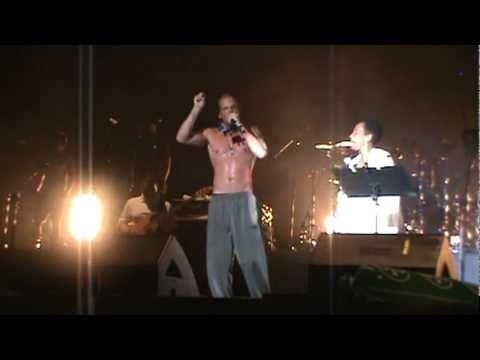
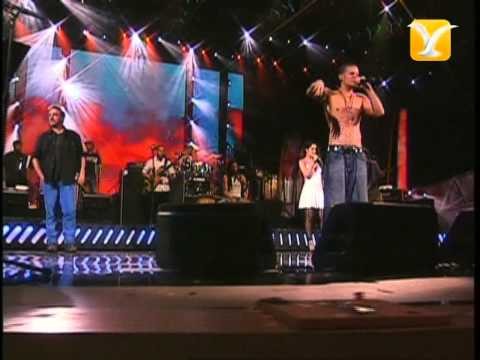
Calle 13 has performed in some of the most famous concerts worldwide, including the 2012 Latin Grammy Awards, where they won nine awards, and the Peace Without Borders Concert in Havana, Cuba, in 2009. The band's performances are energetic, thought-provoking, and inclusive. Calle 13's concerts are a testament to their commitment to using music as a tool for social change.
Critical acclaim has followed Calle 13's music since their debut. The band has won a staggering 28 Latin Grammy Awards, making them the most awarded band in Latin Grammy history. Calle 13 has also earned critical acclaim from international publications and prestigious institutions. The band received a message of support from Nobel Prize winner Gabriel Garcia Marquez and a congratulatory letter from Pope Francis.
Calle 13 is more than just a band; it's a cultural phenomenon. The band's unique blend of music genres and socially conscious lyrics has made them a voice for the voiceless and an inspiration for marginalized communities. Their music continues to be relevant, challenging power structures, and shedding light on social inequality. Calle 13 has inspired a new generation of artists to use music as a tool for social change, and their legacy is bound to last for generations to come.
Calle 13 is more than just a band; it's a cultural phenomenon. The band's unique blend of music genres and socially conscious lyrics has made them a voice for the voiceless and an inspiration for marginalized communities. Their music continues to be relevant, challenging power structures, and shedding light on social inequality. Calle 13 has inspired a new generation of artists to use music as a tool for social change, and their legacy is bound to last for generations to come.
Calle 13: The Revolutionary Puerto Rican Band
Puerto Rican band Calle 13 revolutionized Latin rap music in the early 2000s. The band's unique style infused reggaeton, hip-hop, and Latin American rhythms with socially conscious lyrics that tackled political and social issues. Calle 13's music became a voice for the voiceless and a platform for marginalized communities. In this blog post, we will delve into Calle 13's musical biography, best songs, music genre, famous concerts, and critical acclaim.
Calle 13 was formed in 2004 by step-brothers René Pérez Joglar (Residente) and Eduardo José Cabra Martínez (Visitante). The band's name was inspired by a street near their childhood home in San Juan, Puerto Rico. The duo released its debut album, Calle 13, in 2005, which earned them three Latin Grammy Awards. It wasn't until their third album, Los de Atrás Vienen Conmigo (2008), that Calle 13 broke through to mainstream success with hits like No Hay Nadie Como Tú and La Perla. The album cemented Calle 13's status as a socially conscious band that challenges power structures through music.
Calle 13 defies categorization when it comes to musical genres. They draw inspiration from hip-hop, reggaeton, jazz, salsa, rock, and traditional Latin American rhythms. Their music defies conventions, incorporating folk instrumentation like the cuatro and the quena alongside electronic beats. Calle 13's music also features collaborations with artists from various musical genres, including Latin American legends like Rubén Blades and Café Tacvba.
Calle 13's best songs are a reflection of their revolutionary spirit. Latinoamérica (2010) is an ode to Latin America's cultural richness while shedding light on social inequality. Atrévete-te-te (2005) invites people to break free from their constraints and live life to the fullest. Adentro (2007) is Residente's introspective reflection on his life and social position in the world.
Calle 13 has performed in some of the most famous concerts worldwide, including the 2012 Latin Grammy Awards, where they won nine awards, and the Peace Without Borders Concert in Havana, Cuba, in 2009. The band's performances are energetic, thought-provoking, and inclusive. Calle 13's concerts are a testament to their commitment to using music as a tool for social change.
Critical acclaim has followed Calle 13's music since their debut. The band has won a staggering 28 Latin Grammy Awards, making them the most awarded band in Latin Grammy history. Calle 13 has also earned critical acclaim from international publications and prestigious institutions. The band received a message of support from Nobel Prize winner Gabriel Garcia Marquez and a congratulatory letter from Pope Francis.
Calle 13 is more than just a band; it's a cultural phenomenon. The band's unique blend of music genres and socially conscious lyrics has made them a voice for the voiceless and an inspiration for marginalized communities. Their music continues to be relevant, challenging power structures, and shedding light on social inequality. Calle 13 has inspired a new generation of artists to use music as a tool for social change, and their legacy is bound to last for generations to come.
Calle 13 is more than just a band; it's a cultural phenomenon. The band's unique blend of music genres and socially conscious lyrics has made them a voice for the voiceless and an inspiration for marginalized communities. Their music continues to be relevant, challenging power structures, and shedding light on social inequality. Calle 13 has inspired a new generation of artists to use music as a tool for social change, and their legacy is bound to last for generations to come.