Biography
Billy Eckstine: history and sound
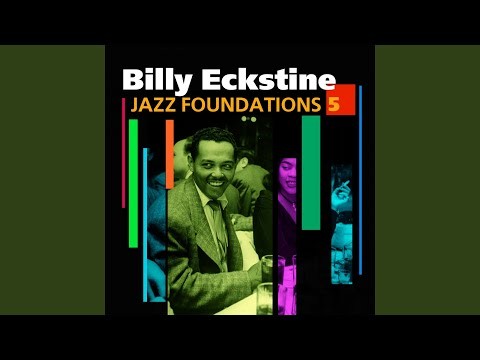
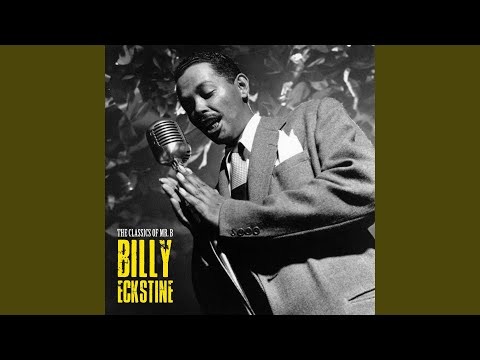
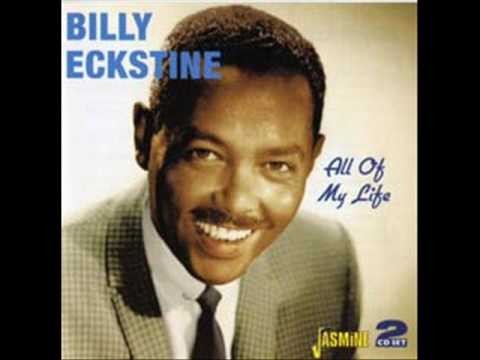
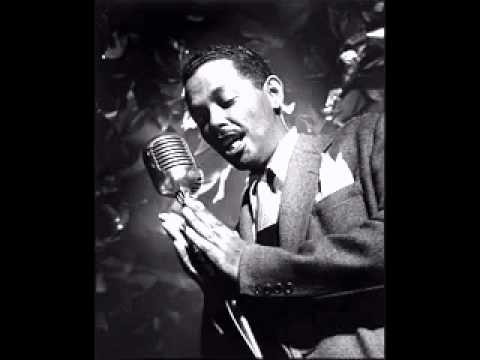
William Clarence Billy Eckstine (July 8, 1914 – March 8, 1993) was an American singer and a bandleader of the swing era.
Billy Eckstine: The King of Crooning and Jazz
Billy Eckstine was a man of many talents. Known primarily for his singing, Eckstine was also an accomplished bandleader and trumpet player. He is considered one of the most influential crooners of his time and had a significant impact on jazz music. His career spanned several decades and produced some of the most memorable songs in music history. In this article, we'll take a closer look at Eckstine's life, his music, and his legacy.
Born in Pittsburgh, Pennsylvania, on July 8, 1914, Billy Eckstine showed a passion for music from a very young age. He began singing in his church choir and later went on to perform with local jazz bands. Eventually, he landed a gig singing with the famous Earl Fatha Hines orchestra, where he quickly rose to prominence. His smooth and sultry baritone voice captivated audiences and established him as a leading crooner.
Eckstine's music was heavily influenced by jazz and swing. Some of his most popular songs include Everything I Have Is Yours, I Apologize, and My Foolish Heart. One of his biggest hits, Prisoner of Love, became an anthem for lovers everywhere. Eckstine's unique sound and style set him apart from other crooners of the time and made him a favorite among audiences. He also pioneered the use of string arrangements in jazz, which became a hallmark of his music.
In addition to his solo career, Eckstine also led his own orchestra. The Billy Eckstine Orchestra was known for its smooth and sophisticated sound and featured some of the best musicians of the time. They performed at some of the most famous jazz venues in the country, including the Apollo Theater in Harlem, New York. Many of his concerts sold out within hours, and he often drew large crowds wherever he went.
Despite his success, Eckstine also faced criticism throughout his career. Some felt that his music was too mainstream and lacked the improvisational elements of traditional jazz. Others criticized his use of string arrangements, believing that they detracted from the authenticity of jazz music. However, Eckstine never wavered in his dedication to his craft and continued to produce meaningful and memorable music until his retirement in the 1980s.
Billy Eckstine's contributions to jazz and crooning cannot be overstated. He was a trailblazer in his own right, paving the way for future artists to experiment with different sounds and styles. His music remains popular to this day and continues to inspire new generations of artists. From his smooth crooning to his sophisticated orchestral arrangements, Billy Eckstine will always be remembered as a true master of his craft.
Billy Eckstine: The King of Crooning and Jazz
Billy Eckstine was a man of many talents. Known primarily for his singing, Eckstine was also an accomplished bandleader and trumpet player. He is considered one of the most influential crooners of his time and had a significant impact on jazz music. His career spanned several decades and produced some of the most memorable songs in music history. In this article, we'll take a closer look at Eckstine's life, his music, and his legacy.
Born in Pittsburgh, Pennsylvania, on July 8, 1914, Billy Eckstine showed a passion for music from a very young age. He began singing in his church choir and later went on to perform with local jazz bands. Eventually, he landed a gig singing with the famous Earl Fatha Hines orchestra, where he quickly rose to prominence. His smooth and sultry baritone voice captivated audiences and established him as a leading crooner.
Eckstine's music was heavily influenced by jazz and swing. Some of his most popular songs include Everything I Have Is Yours, I Apologize, and My Foolish Heart. One of his biggest hits, Prisoner of Love, became an anthem for lovers everywhere. Eckstine's unique sound and style set him apart from other crooners of the time and made him a favorite among audiences. He also pioneered the use of string arrangements in jazz, which became a hallmark of his music.
In addition to his solo career, Eckstine also led his own orchestra. The Billy Eckstine Orchestra was known for its smooth and sophisticated sound and featured some of the best musicians of the time. They performed at some of the most famous jazz venues in the country, including the Apollo Theater in Harlem, New York. Many of his concerts sold out within hours, and he often drew large crowds wherever he went.
Despite his success, Eckstine also faced criticism throughout his career. Some felt that his music was too mainstream and lacked the improvisational elements of traditional jazz. Others criticized his use of string arrangements, believing that they detracted from the authenticity of jazz music. However, Eckstine never wavered in his dedication to his craft and continued to produce meaningful and memorable music until his retirement in the 1980s.
Billy Eckstine's contributions to jazz and crooning cannot be overstated. He was a trailblazer in his own right, paving the way for future artists to experiment with different sounds and styles. His music remains popular to this day and continues to inspire new generations of artists. From his smooth crooning to his sophisticated orchestral arrangements, Billy Eckstine will always be remembered as a true master of his craft.