Biography
Art Tatum: history and sound
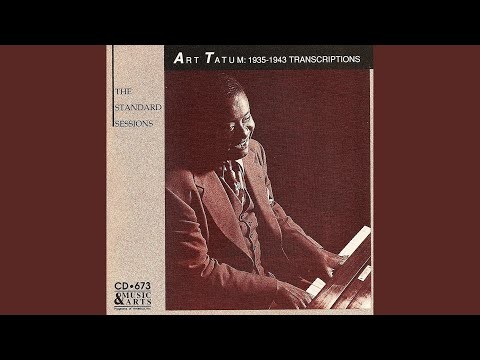
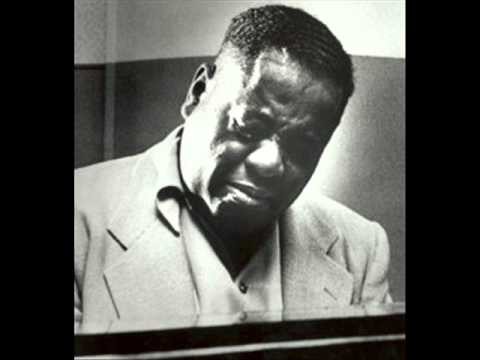
Arthur Art Tatum, Jr. (-?te?t?m-, October 13, 1909 – November 5, 1956) was an American jazz pianist.
Art Tatum - The Incredible Jazz Artist of the Golden Age
Art Tatum, the legendary jazz pianist of the 1930s and 40s, was known for his incredible talent and virtuosity, with flawless technique and extraordinary improvisation skills. He was one of the all-time greats in the jazz world, revered by fellow musicians and fans alike. With a career spanning just two decades, he left behind a legacy of incredible music that still captivates and inspires today. In this article, we'll dive into Art Tatum's musical biography, his best songs, music genre, famous concerts, and a critic.
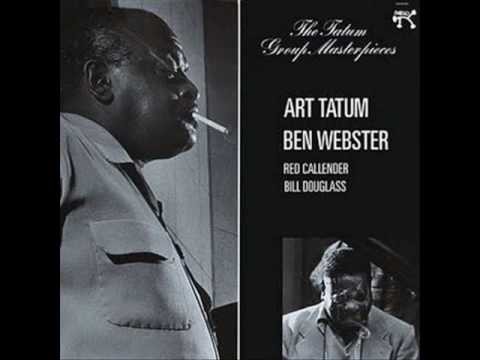
Art Tatum was born in Toledo, Ohio, in 1909, and was partially blind from birth. He grew up playing the piano by ear and was influenced by classical music, particularly the works of Franz Liszt and Claude Debussy. Starting in the late 1920s, he began playing professionally, and by the early 1930s, he was performing regularly at clubs in New York City. His technical proficiency and improvisational skills quickly made him a favorite among jazz lovers and musicians. His first solo recording was made in 1933, and throughout the 1930s and 1940s, he recorded numerous solo albums, as well as collaborations with other jazz greats like Ben Webster and Lionel Hampton.
Art Tatum's music is best described as a combination of jazz and stride piano, with elements of classical music thrown into the mix. He was known for his incredible speed, complex harmonies, and virtuosic runs. Some of his most famous songs include Tea for Two, Night and Day, Body and Soul, and Deep Purple. These songs showcased his unique style and technical prowess, and even today, they are considered some of the best examples of jazz piano in the genre's history.
Tatum's live performances were famous for their improvisation and showmanship. He often played with his eyes closed, lost in the music, and his performances would frequently leave audiences amazed and stunned. One of his most famous concerts took place at the Shrine Auditorium in Los Angeles in 1949. The concert was recorded and released as Tatum's solo album The Art Tatum Solo Masterpieces, and it is regarded as a groundbreaking recording in the jazz genre.
Although Art Tatum died in 1956 at the young age of 47, his music has remained popular and influential. He was a true trailblazer in the jazz genre, breaking new ground in terms of technique and musicality. Musicians such as Oscar Peterson and Herbie Hancock have cited Tatum as an inspiration. He was posthumously inducted into the DownBeat Hall of Fame in 1964, and his music continues to be celebrated worldwide.
In a review of Tatum's music, critic Scott Yanow wrote, Although he could swing as hard as any pianist alive and his technique was phenomenal, Tatum's music was always sensitive, subtle and often surprisingly tender. This statement perfectly encapsulates Tatum's style, which was as complex as it was nuanced. Despite his undeniable technical abilities, Tatum never lost sight of the soul of the music he played.
Art Tatum was a jazz icon, a true master of his craft. His music has been celebrated for decades and continues to be appreciated by jazz lovers around the world. His legacy is one of genius technique, innovation, and soulful expression, and his profound impact on music will be felt for generations to come. Art Tatum was truly a one-of-a-kind musician, and it is apparent that his influence will never fade away.
Art Tatum - The Incredible Jazz Artist of the Golden Age
Art Tatum, the legendary jazz pianist of the 1930s and 40s, was known for his incredible talent and virtuosity, with flawless technique and extraordinary improvisation skills. He was one of the all-time greats in the jazz world, revered by fellow musicians and fans alike. With a career spanning just two decades, he left behind a legacy of incredible music that still captivates and inspires today. In this article, we'll dive into Art Tatum's musical biography, his best songs, music genre, famous concerts, and a critic.
Art Tatum was born in Toledo, Ohio, in 1909, and was partially blind from birth. He grew up playing the piano by ear and was influenced by classical music, particularly the works of Franz Liszt and Claude Debussy. Starting in the late 1920s, he began playing professionally, and by the early 1930s, he was performing regularly at clubs in New York City. His technical proficiency and improvisational skills quickly made him a favorite among jazz lovers and musicians. His first solo recording was made in 1933, and throughout the 1930s and 1940s, he recorded numerous solo albums, as well as collaborations with other jazz greats like Ben Webster and Lionel Hampton.
Art Tatum's music is best described as a combination of jazz and stride piano, with elements of classical music thrown into the mix. He was known for his incredible speed, complex harmonies, and virtuosic runs. Some of his most famous songs include Tea for Two, Night and Day, Body and Soul, and Deep Purple. These songs showcased his unique style and technical prowess, and even today, they are considered some of the best examples of jazz piano in the genre's history.
Tatum's live performances were famous for their improvisation and showmanship. He often played with his eyes closed, lost in the music, and his performances would frequently leave audiences amazed and stunned. One of his most famous concerts took place at the Shrine Auditorium in Los Angeles in 1949. The concert was recorded and released as Tatum's solo album The Art Tatum Solo Masterpieces, and it is regarded as a groundbreaking recording in the jazz genre.
Although Art Tatum died in 1956 at the young age of 47, his music has remained popular and influential. He was a true trailblazer in the jazz genre, breaking new ground in terms of technique and musicality. Musicians such as Oscar Peterson and Herbie Hancock have cited Tatum as an inspiration. He was posthumously inducted into the DownBeat Hall of Fame in 1964, and his music continues to be celebrated worldwide.
In a review of Tatum's music, critic Scott Yanow wrote, Although he could swing as hard as any pianist alive and his technique was phenomenal, Tatum's music was always sensitive, subtle and often surprisingly tender. This statement perfectly encapsulates Tatum's style, which was as complex as it was nuanced. Despite his undeniable technical abilities, Tatum never lost sight of the soul of the music he played.
Art Tatum was a jazz icon, a true master of his craft. His music has been celebrated for decades and continues to be appreciated by jazz lovers around the world. His legacy is one of genius technique, innovation, and soulful expression, and his profound impact on music will be felt for generations to come. Art Tatum was truly a one-of-a-kind musician, and it is apparent that his influence will never fade away.